Featured
Table of Contents
Deepness therapy is a restorative method based on the work of Swiss psychoanalyst Carl G. Jung. Depth therapy is started on the idea that many mental wellness issues are triggered by unconscious inspirations which exposing and discovering these inspirations is the vital to healing. Although there are several methods that drop under the umbrella of deepness treatment, one unifying objective of therapists who specialize in depth treatment is to incorporate the subconscious mind with the conscious.
Psychology is constructed around the study of the human mind, which several popular psycho therapists have believed to be affected by the subconscious. Depth psychology is a branch of psychology that explores the unconscious elements of the human subconscious to comprehend the underlying inspirations and emotions that drive behavior. The subconscious mind is a key component of depth psychology.
Deepness psychologists usually see the human psyche as both conscious and unconscious, and psychoanalysis is generally their main psychotherapeutic strategy. Deepness psychology discovers the underlying objectives that could be the trick to mental distress. There is a belief that revealing unconscious forces can be inherently recovery. This psychoanalysis typically looks for the deeper layers underneath our aware recognition, habits, and thoughts.
Maintaining Growth Following Trauma Treatment

The collective subconscious, according to Jung's deepness mental viewpoint, assists explain our personality towards myth-making and dreaming. Underlying this combination is the idea that the human mind is partly aware and partially unconscious, keeping experiences and concerns that may have been repressed, along with cumulative and archetypal pressures.
Your psychotherapist can provide support as you make changes in exactly how you react and can aid you with gradually difficult circumstances. Deepness pyschotherapy is fit to participants that intend to address ingrained psychological and emotional difficulties, in addition to trauma. Also, there might be behaviors that you remain to duplicate although they are harming to you.
Implementing Trauma-Informed Care
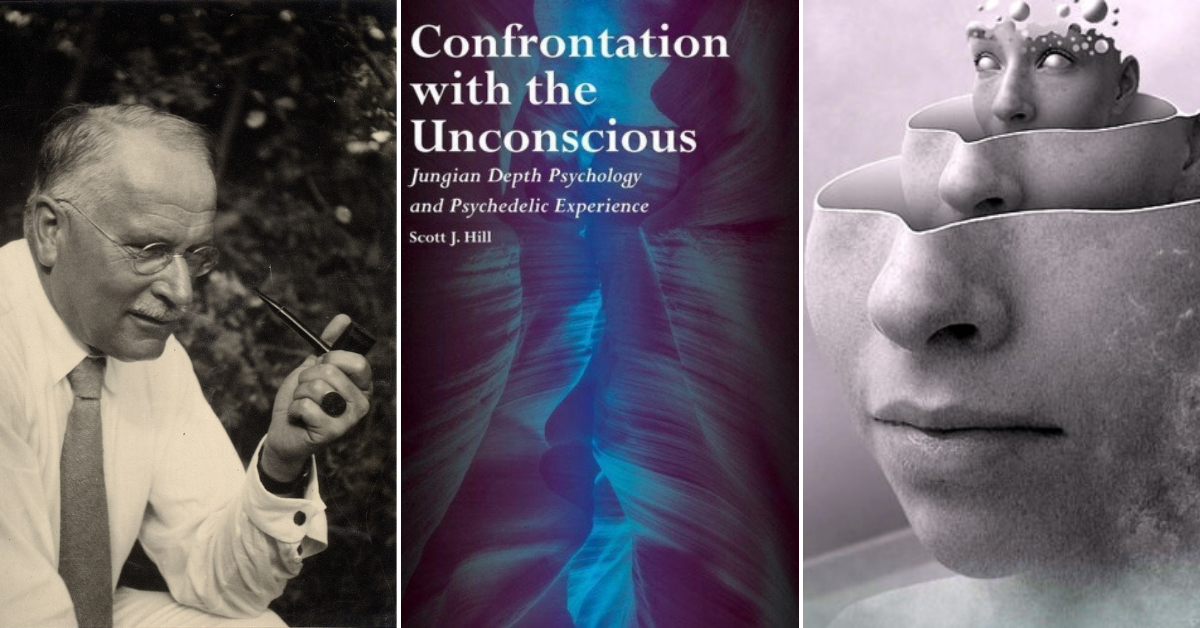
You might require to be inspired and client during the procedure, yet it may help you find a lot more regarding yourself via an expedition of your unconscious thoughts. This procedure might assist with any kind of life tests you are encountering and help you move ahead with higher insight. Take the initial step towards learning even more concerning deepness psychology and connect to BetterHelp today.
Bleuler was the director of the Burghlzli Asylum in Zrich, where Carl Jung started his career. This field is most carefully connected with Jung's job.
By bringing the subconscious material of the private to consciousnessboth personal and collectiveone moves from fragmentation and "one-sidedness" towards integrity. Jung thought that we were all looking for the very same thing: the spirit. From his sight (and straight experience), one requires to embrace one's internal worldexploring one's desires and imaginationto ultimately arrive at a stage of integrity where one's soul is recognized.
How Trauma Therapy Heals Unresolved Grief
With each other, they stand for opposing forcesyin and yang. Consequently, the professionals of deepness psychology had to create a brand-new language for studying and translating signs and new approaches for communicating with pictures. Integrating the revers can be tough, as it requires an alchemical procedure that inevitably leads to mental integration.

To learn more about one's shadowthe components of oneself that a person is reduced off and divorced fromrequires repeatedly facing the ego's identification. Relying on one's level of internal resistance and will, this procedure can be challenging for many people. For this factor, practitioners like Jung (and scholars like Joseph Campbell) consider it a "brave act" to connect the gap between the aware and the unconscious.
Freud was brushing the younger Jung to be his follower. Jung recommended a different name for their arising field: psyche-analysis.
Jung saw their role as an analysis of the human mind, spirit, and spirit. That is, Jung saw an extremely various photo of the human condition than Freud.
Healing Fragmented States of Consciousness
Jung believed that we are ALL fragmented and separated, and purposefully or otherwise, we're all looking for our hearts. This search for one's heart goes to the center of depth psychology. Sigmund Freud (center) and Carl Jung (best) in 1909Credit: Wellcome Collection, London. Wellcome Images The insights stemmed from analytic concept are, generally, found outside academic community.
D. in psychology, you aren't likely to communicate with Jungian concept other than probably in a history class (where they educate you that psychoanalysis was the "very first wave"). The scholastic field of psychology is, as Jung would certainly say, prejudiced. It's almost solely concentrated on the mindful mind (what he called the reasoning function).
It makes sensemost individuals run entirely within the conscious mind, the world of the ego. Right here, the vanity is in charge and tries to manage itself and its environment. Depth psychology, on the other hand, requires us to connect with the unconscious domainto go into the often unclear world of icons, pictures, and sensations.

Latest Posts
Teen OCD and Mindfulness-Based Therapy
Lifestyle Strategies Between Sessions
Continued Healing for Depression and Mood Therapy