Featured
Table of Contents
- – Recognizing High-Achiever Treatment: Why Succe...
- – EMDR Treatment: Re-wiring Trauma Reactions in ...
- – Inner Family Members Equipments: Comprehending...
- – Complex Injury and PTSD in Medical Care Profes...
- – Anxiety and Depression: Beyond Surface-Level S...
- – Picking a Specialist That Understands Success ...
- – Moving on: From High-Achieving to Whole
The pressure to excel never quits when you're a high achiever. Health care specialists, execs, and enthusiastic people commonly locate themselves battling with anxiety, clinical depression, and exhaustion while keeping the appearance of having all of it with each other. When typical talk therapy feels inadequate, specific methods like EMDR treatment and Inner Household Equipment (IFS) parts work deal powerful options for resolving complicated trauma and PTSD that numerous high-performing individuals bring underneath their refined outsides.
Recognizing High-Achiever Treatment: Why Success Does Not Stop Suffering
High up-and-comers face distinct therapeutic difficulties that basic therapy typically misses. The perfectionism that drives professional success can mask deep-seated injury, anxiety, and anxiety. Health care professionals especially fight with this mystery-- trained to assist others while neglecting their own mental health and wellness needs. Specialized specialists that understand the high-achiever way of thinking acknowledge that success and suffering aren't equally exclusive, and that resolving underlying trauma calls for greater than surface-level coping techniques.
Robyn Sevigny's restorative method exemplifies this understanding. Functioning specifically with health care experts and high-performing people, her technique acknowledges that attaining job milestones does not deal with youth wounds, intricate injury, or PTSD symptoms that manifest as perfectionism, workaholism, and persistent anxiousness. This acknowledgment develops the structure for effective trauma-focused therapy that surpasses symptom monitoring.
Narrative TherapyEMDR Treatment: Re-wiring Trauma Reactions in High-Performance Minds
Eye Motion Desensitization and Reprocessing (EMDR) has actually arised as one of the most efficient evidence-based therapies for PTSD and facility trauma. Unlike conventional talk treatment, EMDR jobs by aiding the brain reprocess terrible memories through bilateral excitement-- normally assisted eye motions, touching, or acoustic tones. This neurobiological approach permits individuals to process distressing experiences without spending years verbally rehashing uncomfortable occasions.
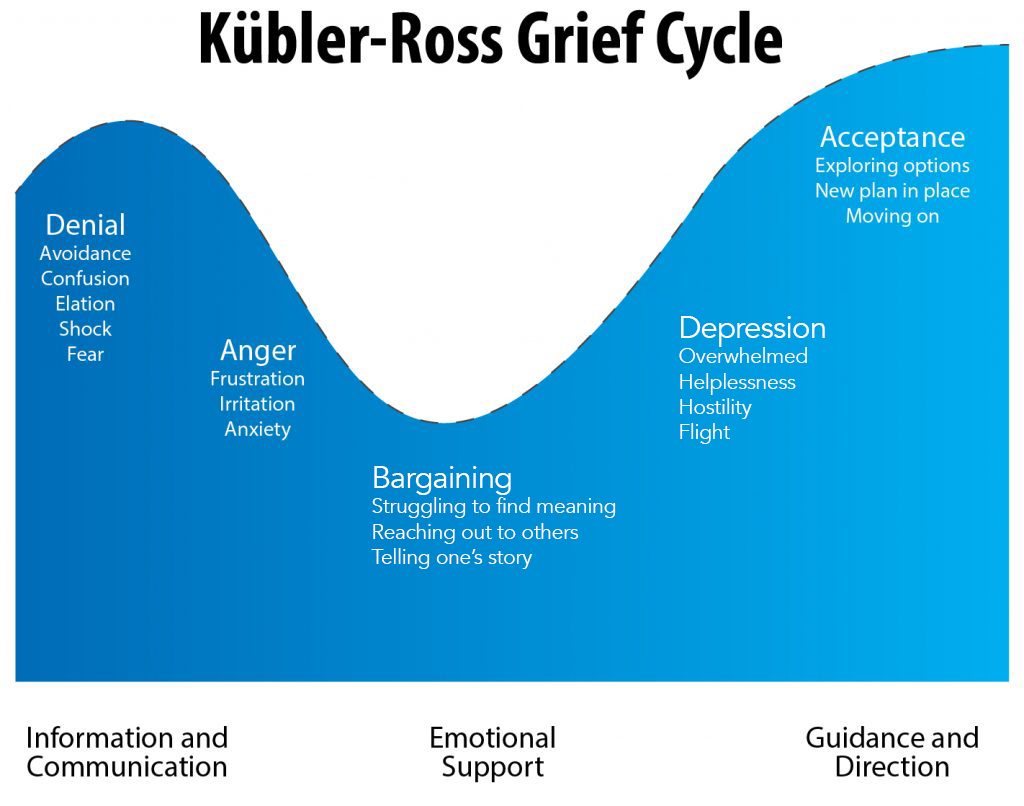
For medical care experts and high achievers, EMDR provides several engaging benefits. Procedure are structured and goal-oriented, respecting the limited time many experts have for treatment. The methodology doesn't need substantial discussing trauma information, which interest individuals who've invested years intellectualizing their issues without resolution. Research reveals EMDR can generate significant lead to less sessions than conventional techniques, making it useful for active experts seeking efficient healing.
The process targets particular stressful memories and unfavorable beliefs while strengthening favorable cognitions. A physician battling with clinical school trauma could resolve memories of humiliation throughout training while building genuine self-worth separate from achievement. An exec may reprocess childhood years experiences of emotional overlook that drive uncontrollable overwork. EMDR enables these experts to preserve their capability while releasing the trauma-driven behaviors that sustain burnout.
Inner Family Members Equipments: Comprehending Your Internal High-Achiever Components
Internal Family Equipment (IFS) treatment supplies a framework for comprehending the various parts of ourselves that arise in action to life experiences. As opposed to watching the subconscious as a linked whole, IFS identifies we all have several parts-- some protective, some injured, some aiming. For high up-and-comers, this model resonates deeply due to the fact that it clarifies the inner problem in between the driven part promoting more accomplishment and the exhausted part begging for remainder.
IFS determines three kinds of parts: managers (who try to regulate our setting to stop pain), firefighters (who react to distress with numbing habits), and exiles (injured components bring youth trauma and embarassment) High-achiever therapy using IFS aids clients recognize how their perfectionist supervisor components established to secure at risk banished components from experiencing being rejected or inadequacy. Recognizing this internal system produces compassion for actions previously watched as personality flaws.
Medical care experts commonly uncover through IFS work that their caretaker parts-- constantly addressing others' requirements-- developed to make love in youth. Their workaholic parts may be safeguarding against feelings of insignificance. By accessing and recovering these ousted components with the specialist's support, the extreme protective actions naturally soften. The relentless drive to attain transforms right into healthy and balanced aspiration without the undertone of embarassment and anxiety.
Complex Injury and PTSD in Medical Care Professionals
Medical care workers encounter special trauma direct exposure that substances any pre-existing complex trauma from childhood or earlier life experiences. Repeated exposure to individual suffering, medical emergencies, and systemic medical care failures creates layers of terrible tension. When combined with the perfectionism usual among doctor, this produces an excellent tornado for PTSD signs consisting of hypervigilance, invasive ideas, emotional numbing, and evasion behaviors.
Facility trauma varies from single-incident PTSD. It develops with repeated distressing experiences, frequently in childhood, creating prevalent effects on self-concept, emotional policy, and partnership patterns. Numerous high up-and-comers unwittingly lug intricate injury that manifests as impostor syndrome, trouble accepting appreciation, connection struggles, and a failure to remainder without guilt. Traditional treatment commonly attends to surface area signs while the underlying injury architecture continues to be intact.
Specialized trauma treatment for medical care specialists addresses both work-related trauma and developmental injuries. A specialist experienced with doctor understands the culture of stoicism, the stress to show up infallible, and the moral complexities of treating coworkers. This cultural proficiency makes restorative job much more efficient since customers do not need to describe the context of their battles.
PTSD & TraumaAnxiety and Depression: Beyond Surface-Level Symptoms
High achievers usually present with anxiousness and clinical depression that look various from textbook discussions. Instead of full inability to function, these individuals preserve high efficiency while experiencing inner suffering. They satisfy target dates while battling intrusive ideas, lead groups while feeling emotionally detached, get honors while believing they're fraudulences. This high-functioning anxiety and depression needs healing methods that resolve root creates instead of simply instructing coping abilities.
EMDR and IFS treatment stand out at treating stress and anxiety and anxiety rooted in trauma. As opposed to handling symptoms forever, these techniques intend to settle the underlying distressing material fueling emotional distress. When somebody refines memories of youth criticism through EMDR, their anxiousness regarding efficiency typically normally reduces. When IFS work helps somebody befriend their distressed parts instead of battling them, the strength of anxiety usually softens.
Therapists concentrating on high-achiever populaces recognize that recommending reflection or work-life balance to someone with complicated trauma usually misses the mark. These people need methods that deal with why relaxation really feels threatening, why success never ever feels sufficient, and why success hasn't brought the tranquility they anticipated. Trauma-focused therapy supplies these responses and pathways to genuine recovery.
Picking a Specialist That Understands Success and Trauma
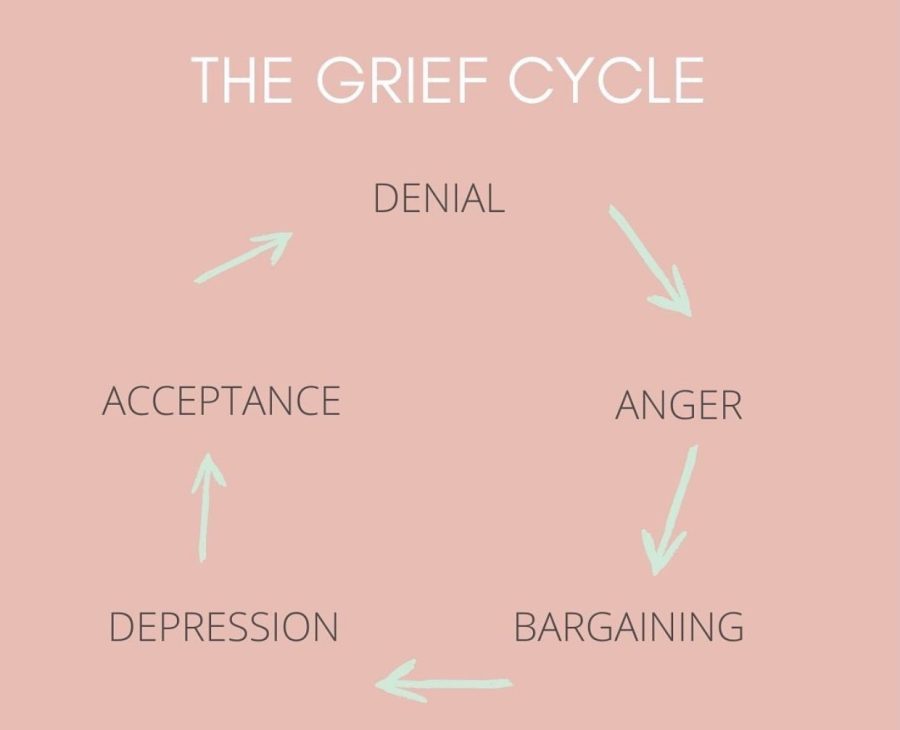
Discovering the ideal therapist for high-achiever treatment requires more than credentials. While EMDR qualification and IFS training matter, equally vital is the therapist's understanding of high-performance society and trauma's function in driving accomplishment. A therapist who works specifically with medical care professionals and ambitious individuals brings recognition of the unique pressures, ethical dilemmas, and identity difficulties these populaces encounter.
When evaluating prospective therapists, consider their approach to success and passion. Do they pathologize success or understand its complexity? Can they hold room for both your accomplishments and your suffering without lessening either? Do they have experience with complicated injury discussions in high-functioning people? These questions aid identify therapists that can sustain healing without taking apart the healthy elements of aspiration.
Robyn Sevigny's emphasis on health care experts and high up-and-comers, integrated with specialized training in EMDR and IFS, stands for the sort of healing suit that creates transformative results. Therapists operating in this particular niche recognize that recovery doesn't indicate lowering criteria-- it suggests releasing trauma-driven perfectionism while maintaining genuine excellence.
Moving on: From High-Achieving to Whole
The trip from high-achieving yet enduring to high-achieving and entire needs specialized restorative support. EMDR treatment and IFS components work offer paths to attend to PTSD, facility injury, stress and anxiety, and depression at their origins instead than managing signs forever. For medical care professionals and various other high entertainers, these modalities regard both the moment restrictions of demanding jobs and the deepness of healing needed to change lives.
Looking for treatment doesn't indicate something is incorrect with you-- it implies you prepare to resolve what's been driving you beyond healthy and balanced limitations. Whether you're a physician tired by years of self-sacrifice, an executive identifying anxiety's toll, or any type of high up-and-comer ready to heal complicated trauma, specialized therapy uses expect genuine modification. The very same resolution that built your occupation can fuel your healing trip, especially with a specialist that understands both achievement and injury recovery.

Table of Contents
- – Recognizing High-Achiever Treatment: Why Succe...
- – EMDR Treatment: Re-wiring Trauma Reactions in ...
- – Inner Family Members Equipments: Comprehending...
- – Complex Injury and PTSD in Medical Care Profes...
- – Anxiety and Depression: Beyond Surface-Level S...
- – Picking a Specialist That Understands Success ...
- – Moving on: From High-Achieving to Whole
Latest Posts
Continuing Healing After a Therapeutic Retreat in Providence
Acceptance and Commitment Therapy: Developing Values-Based Living For Managing Anxious Thoughts with Mindfulness-Based Therapy
Parts Work in Integrated Treatment
More
Latest Posts
Continuing Healing After a Therapeutic Retreat in Providence
Acceptance and Commitment Therapy: Developing Values-Based Living For Managing Anxious Thoughts with Mindfulness-Based Therapy
Parts Work in Integrated Treatment